


-

Add: HeBei ShengShi HongBang Cellulose Technology CO.,LTD.
-

Email
13180486930@163.com -

CONTACT US
+86 13180486930



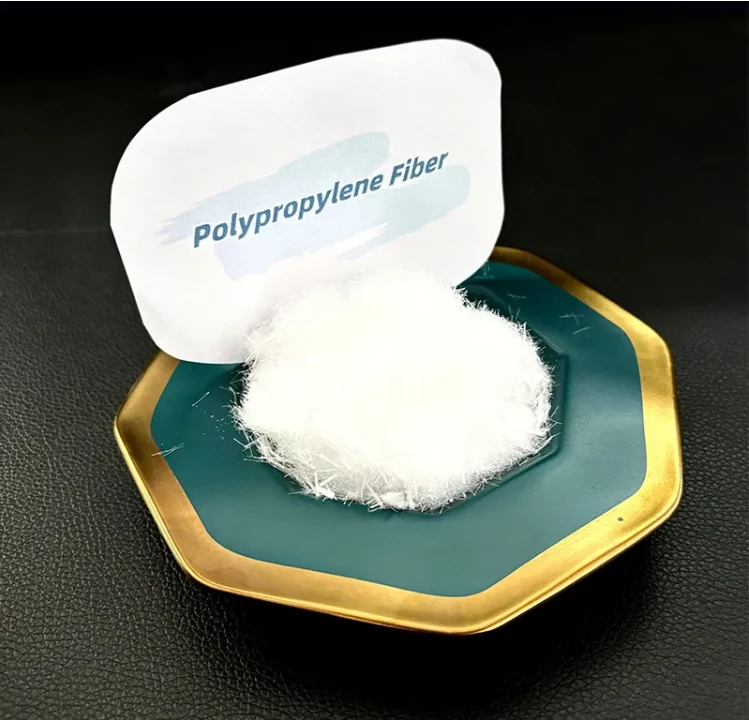
Polyolefin fibers, an essential component in the textile and manufacturing industries, have significantly gained attention due to their versatile applications and superior qualities. These fibers, derived from polymers such as polypropylene and polyethylene, offer a unique combination of properties that cater to numerous industrial needs, enhancing both product performance and durability. One of the most significant advantages of polyolefin fibers is their exceptional resistance to moisture. This property makes them an ideal choice for outdoor applications, where exposure to environmental elements like rain and humidity can quickly degrade other materials. For instance, agricultural fabrics designed to protect crops from the elements heavily rely on polyolefin fibers due to their robust water-repellent characteristics, ensuring longevity and consistent performance across seasons. Moreover, the high tensile strength of polyolefin fibers contributes importantly to their value in various industries. Their ability to withstand considerable stress without breaking or deforming makes them suitable for manufacturing high-strength ropes, fishing nets, and even geotextiles used in construction projects. This inherent strength not only extends the lifespan of the products made from these fibers but also enhances their reliability in critical applications, where failure is not an option. A prominent feature of polyolefin fibers is their inherent resistance to chemical attacks. This characteristic is particularly beneficial in environments where exposure to harsh chemicals or solvents is a concern, such as in industrial filtration systems or packaging materials. Products made from polyolefin fibers do not easily degrade when in contact with chemicals, ensuring both product integrity and safety over time. In the arena of sustainability, polyolefin fibers present a commendable profile. They are fully recyclable and contribute less to the overall carbon footprint compared to some other synthetic fibers. Their production process, largely driven by advances in polymer technology, has become more energy-efficient, allowing manufacturers to produce these fibers with reduced environmental impact. This aspect of sustainability positions polyolefin fibers favorably among environmentally conscious businesses aiming to incorporate more eco-friendly materials into their product lines. polyolefin fiber The light-weight nature of polyolefin fibers is another enticing benefit, leading to two major advantages—ease of handling and reduced transportation costs. Their low density results in lighter end products, which is particularly beneficial for applications in the automotive and aerospace industries, where weight reduction translates to improved fuel efficiency and performance. Polyolefin fibers thus contribute to overall cost savings , benefiting both manufacturers and end consumers. While the advantages are clear, incorporating polyolefin fibers into applications requires careful consideration of certain technical properties. Polyolefin fibers have a relatively low melting point compared to other synthetic fibers, which can be a limiting factor in high-temperature applications. However, this limitation is often addressed in innovative ways by blending polyolefin fibers with other materials or using them in environments where their low thermal resistance is not an issue. The expertise and authority of polyolefin fiber production have been greatly advanced by leading companies and research institutions globally. Their focus remains on refining the production processes and enhancing the fiber’s properties to meet the ever-evolving demands of the market. Extensive research and development activities ensure these fibers remain at the forefront of innovation, maintaining their status as a reliable and versatile material choice. Trustworthiness in the field of polyolefin fibers is further reinforced by strict compliance with international standards and certifications, which oversee the quality and environmental impact of these materials. Reputable manufacturers provide comprehensive data and transparency about their products, allowing consumers to make informed decisions based on verified performance metrics. In conclusion, polyolefin fibers represent a remarkable blend of performance, durability, and sustainability, making them indispensable across a variety of industrial sectors. Their distinctive properties provide tangible benefits, from extending product life to reducing environmental impacts, ensuring that polyolefin fibers will continue to be a material of choice for innovative solutions well into the future.
- 40000tons

Production
- 20+years

Experience
- 5000+㎡

Acreage

-
Hydroxypropyl Methylcellulose (HPMC) stands as a unique and versatile compound with a broad range of applications, making it an essential component in various industries including pharmaceuticals, construction, and food production. Its remarkable properties and benefits have earned it a significant place in the market, and understanding its comprehensive functionality can enhance user experience considerably. HPMC, a chemically modified cellulose polymer, boasts exceptional qualities such as thermal stability, water solubility, and film-forming capabilities. These attributes make it indispensable in the pharmaceutical industry, where it serves principally as a controlled drug release agent and a binding component in tablets. One practical application in this realm is its use in creating time-release capsules, which ensures a consistent and gradual release of medication, enhancing therapeutic efficacy. Such innovations leverage the unique mechanical and physical properties of HPMC, demonstrating its expertise and crucial role in pharmaceutical advancements. In the construction industry, HPMC is celebrated for its capabilities as a water-retention agent and a performance enhancer for cement and gypsum products. The inclusion of HPMC in mortar and plaster formulations leads to improved workability and adhesion, while significantly reducing water loss . This brings about increased durability and strength in final structures. Construction professionals recognize HPMC's authority in optimizing the setting time and workability of cementitious mixtures, establishing trust and reliability in infrastructural development applications. hpmc Additionally, HPMC exhibits significant utility in the food industry as a food additive and stabilizer. Its application can be observed in the production of gluten-free products, where HPMC acts as a substitute for gluten, thereby maintaining the structure and texture of the culinary product without compromising quality. This speaks to its authoritative role as a reliable component in crafting food products that cater to specialized dietary requirements, underscoring its trustworthiness as an ingredient for both food manufacturers and consumers seeking safe and quality products. Moreover, HPMC stands out due to its biocompatibility and non-toxic nature, fostering trust and confidence in its use across various applications. From eco-friendly packaging films to personal care items like lotions and shampoos, the versatility of HPMC ensures every product benefits from enhanced stability and performance, reinforcing the user’s trust in product safety and efficacy. Technological advancement and tailored applications continue to highlight the significant experiential and specialized application of HPMC. The continued research into this compound promises further enhancements and innovations, expanding its utility spectrum and maintaining its prominent position in diverse industries. This focus on experience, expertise, authoritativeness, and trustworthiness ensures HPMC remains a groundbreaking and reliable component, well-suited to meet contemporary market demands.
-
Гидроксипропилметилцеллюлозные пустые капсулы становятся все более популярными благодаря их уникальным свойствам и преимуществам. В отличие от традиционных желатиновых капсул, HPMC капсулы изготовлены из растительных материалов, что делает их подходящими для вегетарианцев и веганов, а также для людей с определенными диетическими ограничениями. Один из главных плюсов HPMC капсул - это их исключительная стабильность при температурных колебаниях и влажности, что позволяет продуктам внутри сохранять свои свойства дольше. Такая надежность становится критическим фактором для фармацевтических компаний и производителей пищевых добавок, стремящихся обеспечить качество и эффективность своих продуктов на протяжении всего их срока годности. Обладая значительным опытом в области развития нутрицефтики, многие эксперты отмечают, что эти капсулы проще в производстве и имеют меньшее количество брака по сравнению с желатиновыми аналогами. Это особенно важно в условиях производства на больших масштабах, где потери могут существенно влиять на себестоимость продукции. Ученые и исследователи неоднократно подчеркивали, что HPMC капсулы не взаимодействуют с содержимым, минимизируя риск побочных реакций и гарантируя, что пользователь получает именно те активные компоненты, которые заявлены производителем. Исследования поддерживают теорию о том, что эти капсулы устойчивы к кислой среде желудка, что способствует лучшему усвоению активных веществ. Бренды, которые стремятся укрепить свою репутацию на рынке, выбирают HPMC капсулы как символ качества и доверия . Этот выбор обусловлен не только техническими характеристиками, но и растущим числом осознанных потребителей, которые оценивают состав и прозрачность производства тех или иных продуктов. hpmc пустые капсулы Как следствие, использование гидроксипропилметилцеллюлозных капсул опирается на авторитетные научные данные и практические испытания, подтверждающие их превосходные характеристики. Это создает уверенность в их зрелости и актуальности для современных тенденций в питательных добавках и лекарственных средствах. Безопасность и надежность HPMC капсул сделали их предпочтительным выбором в открывающихся новых рынках, где устойчивые и качественные решения ценятся особенно высоко. Многочисленные предприятия из Азии и Европы инвестируют в производство и дистрибуцию этих капсул, утверждая их как стандарт для будущих поколений продуктов. В условиях глобальных изменений спроса и повышенного интереса к этичному потреблению, гидроксипропилметилцеллюлозные капсулы продолжают занимать лидирующую позицию среди аналогов. Ожидается, что их популярность будет только расти благодаря продолжающимся исследованиям и инновациям в производственной технологии. Таким образом, использование HPMC капсул подтверждает выгоду в долгосрочной перспективе и соответствует высоким стандартам качества, что делает их надежным выбором для бизнеса, стремящегося оставаться на переднем крае индустрии здоровья и благополучия.
advantages
-

200000 Viscosities
Excellent product
We can produce pure products up to 200,000 viscosities
-

40000 tons
High yield
We don’t stop production all year round, and the annual output can reach 40,000 tons
-

24 hours
Quality service
We provide 24-hours online reception service, welcome to consult at any time
———— Inquiry Form
Schedule A services


-
 rubber_mask_powder
Oct . 25, 2025
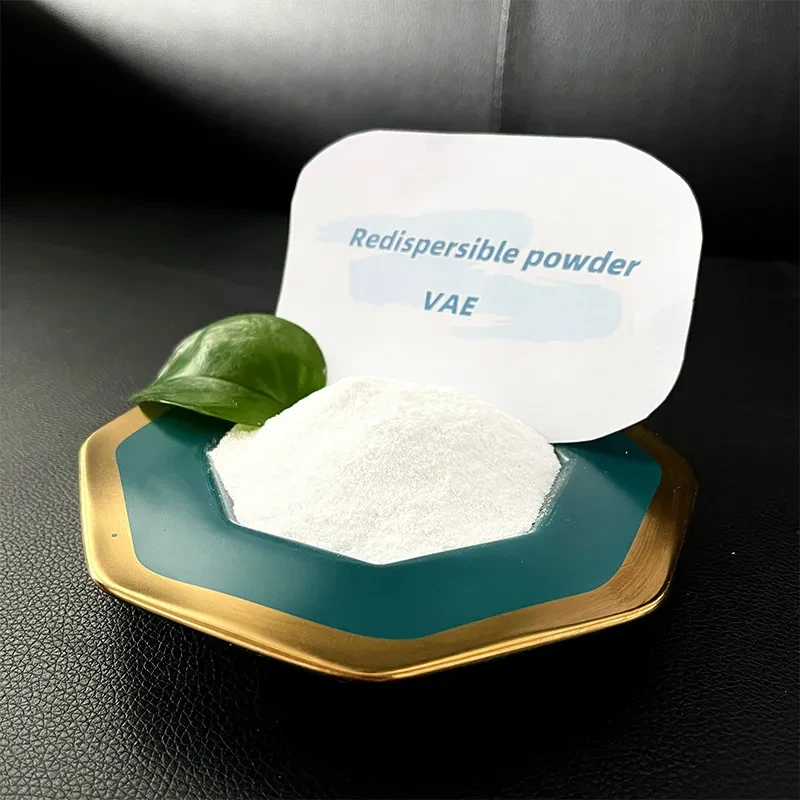
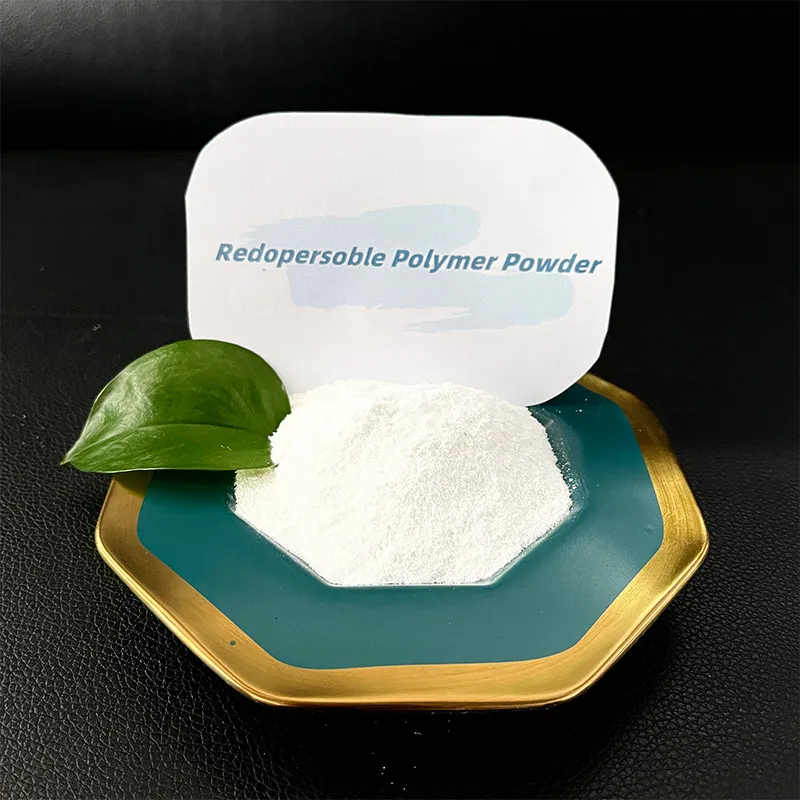
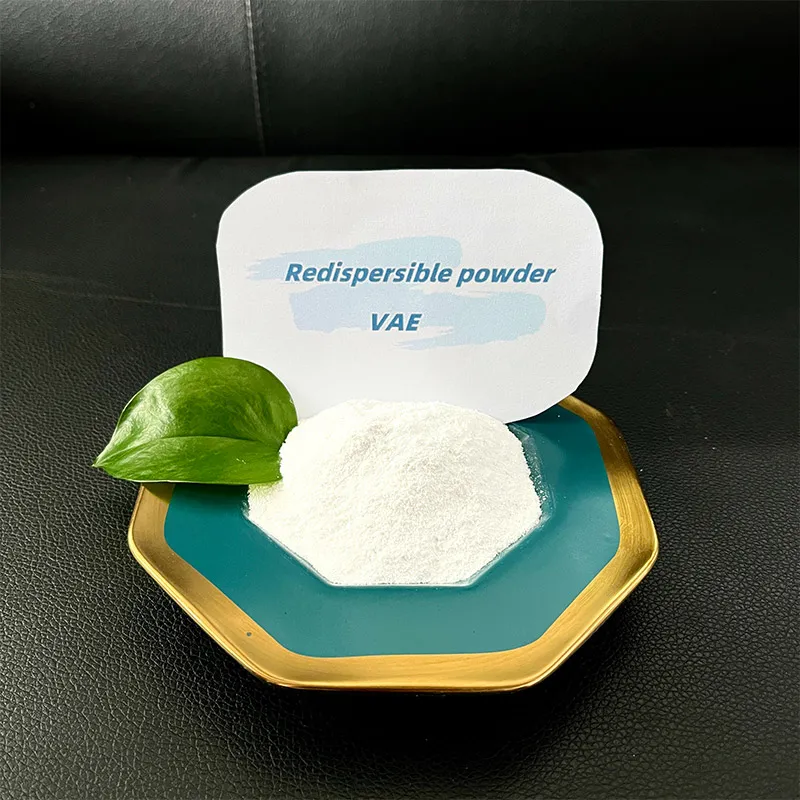
Redispersible emulsion powder (RDP), including redispersible latex powder , polymer powder , VAE red -
 uchimbaji_wa_selulosi_kutoka_kwa_kuni
Oct . 25, 2025
El Hormigón Armado con Polifibras Innovación y Ventajas en la Construcción Moderna El hormigón armad -
 utilisations_de_la_fibre_de_polypropylene
Oct . 25, 2025
In the complex world of construction and building materials, innovative products regularly establish


